 Boston Lawyer Blog
SJC Weighs Age-Based Firearm Licensing


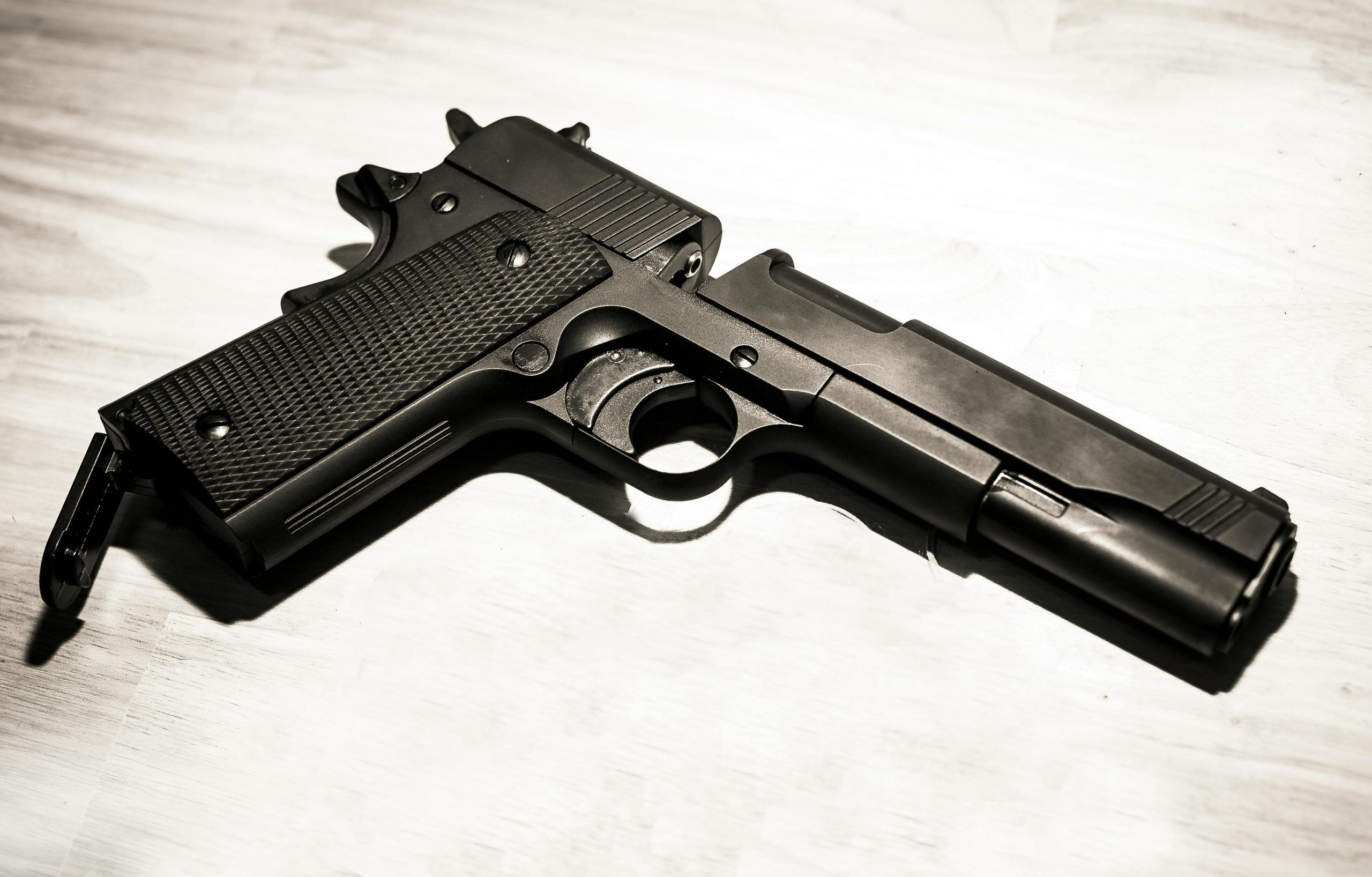 On March 2, 2026, the Massachusetts Supreme Judicial Court (SJC) heard oral arguments in Commonwealth v. Mikai P. Thomson, a case that could provide further clarity on the Commonwealth’s ability to implement gun control legislation following the Supreme Court’s landmark 2022 decision in New York State Rifle & Pistol Association, Inc. v. Bruen. Thomson was convicted of, among other things, carrying a firearm without a license, after police officers found a handgun in his car when they pulled him over in 2021. Thomson now challenges his firearm conviction on the basis that the Massachusetts handgun license law, M.G.L. Chapter 140, §131, which requires license applicants to be 21 years old, is unconstitutional. During oral arguments, the SJC showed signs of sidestepping the Bruen issue as it applies to Thomson, and questioned whether Thomson, who was 20 years old at the time, had legal standing to bring his 2nd Amendment challenge.
Post-Bruen 2nd Amendment cases in Massachusetts
The Thomson case represents yet another chapter in this rapidly evolving area of the law. Since the Supreme Court decided Bruen in 2022, Massachusetts courts have grappled with its proper application. As we have noted, in Bruen, the Supreme Court adopted a history- and tradition-focused test for determining the validity of weapons regulations, directing Courts to look at whether the regulation is “consistent with the Nation’s historical tradition of [weapons] regulation.” In United States v. Rahimi, which was decided in 2024, the Supreme Court upheld the regulation of a federal statute prohibiting persons subject to qualifying domestic violence restraining orders from possessing firearms and provided further guidance in how the lower courts should interpret the principles it outlined in Bruen. In its decision in Rahimi the Court noted that valid gun regulations did not need be a “dead ringer” in relation to historical analogues, or have a “historical twin,” to be valid.